LPG vs Natural Gas at Home
Gas reaches a house in Eatons Hill one of two ways: through a pipe in the ground or out of a bottle beside the wall. The lpg vs natural gas comparison comes down to delivery, leak behaviour and what a swap between the fuels involves. Our licensed plumbers handle gas work across Eatons Hill and the neighbouring suburbs, and this guide walks through the differences in plain terms.
If we're late, $100 comes off your bill

- Licensed and InsuredEvery job done by a licensed plumber. QBCC No: 15024607
- Fixed Quote FirstFlat-rate pricing, agreed before any work starts
- Lifetime Labour WarrantyBacked by our Fix-It-or-It's-Free guarantee (T&Cs apply)
- $0 Call-Out FeesNo extra charge for nights, weekends or public holidays
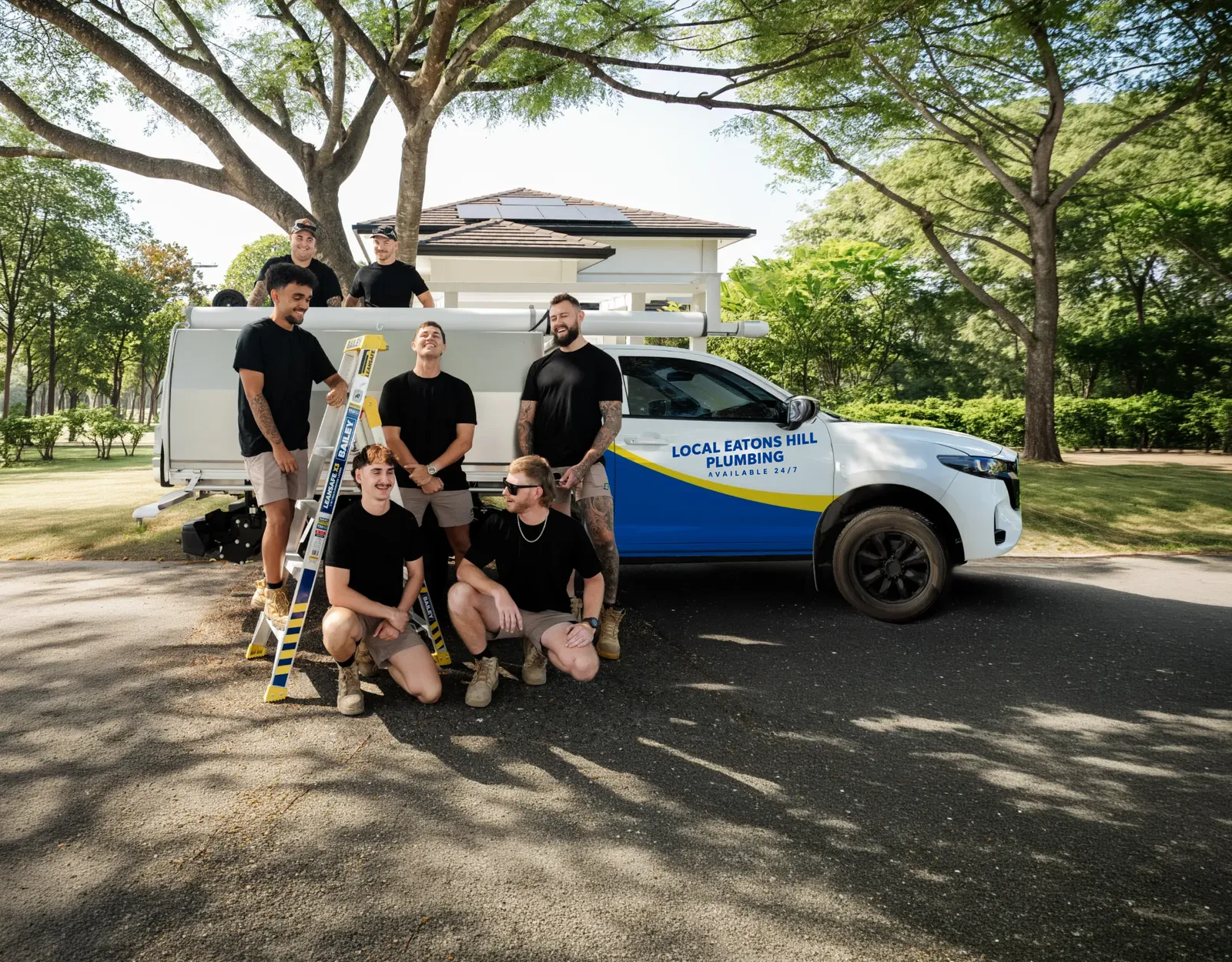
Acreage lots out towards the Eatons Crossing ford make up much of the suburb, and census figures put 99.2 per cent of dwellings as separate houses. Plenty of those big-block homes run on bottle gas, so cylinders are everyday equipment rather than a novelty.
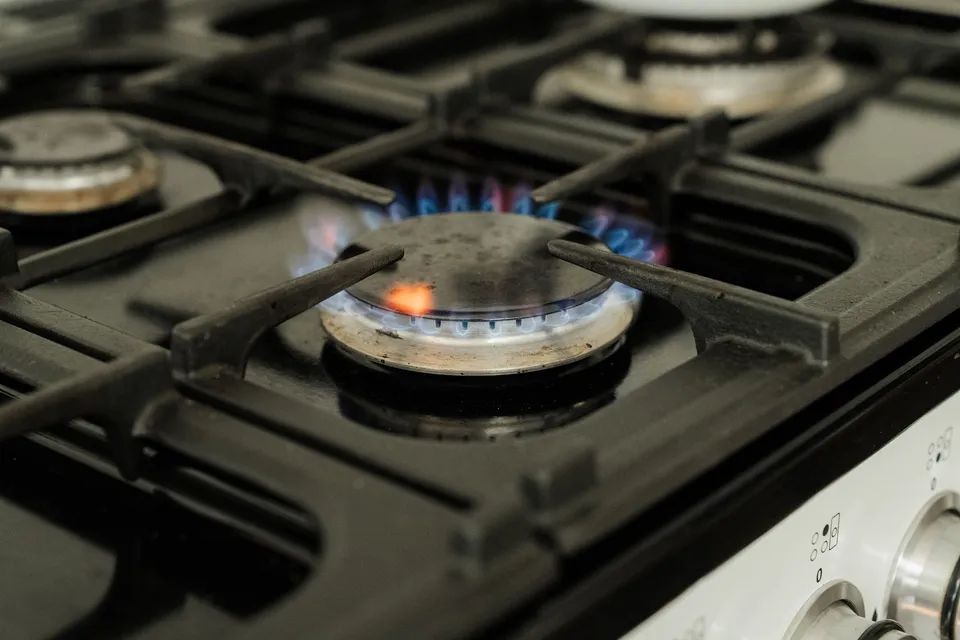
How Natural Gas and LPG Reach Your Home
Piped gas and bottle gas part ways at the delivery point: methane flows from a street main into a meter, while LPG waits in a container at the house. Natural gas is methane. LPG is short for liquefied petroleum gas, stored under pressure as a liquid that vaporises for use.
A pipe on the wall is not proof of methane, either. Some streets are served by reticulated LPG, which travels through pipework instead of arriving by bottle.
Here is the check at your own place:
A cylinder or tank on the block
the home runs on LPG.
A meter on the wall
the house draws piped gas, and the supplier confirms whether methane or reticulated LPG flows through it.
Neither fuel smells of anything by nature. Mercaptan, an added chemical, gives both the rotten-egg odour that makes a leak obvious.
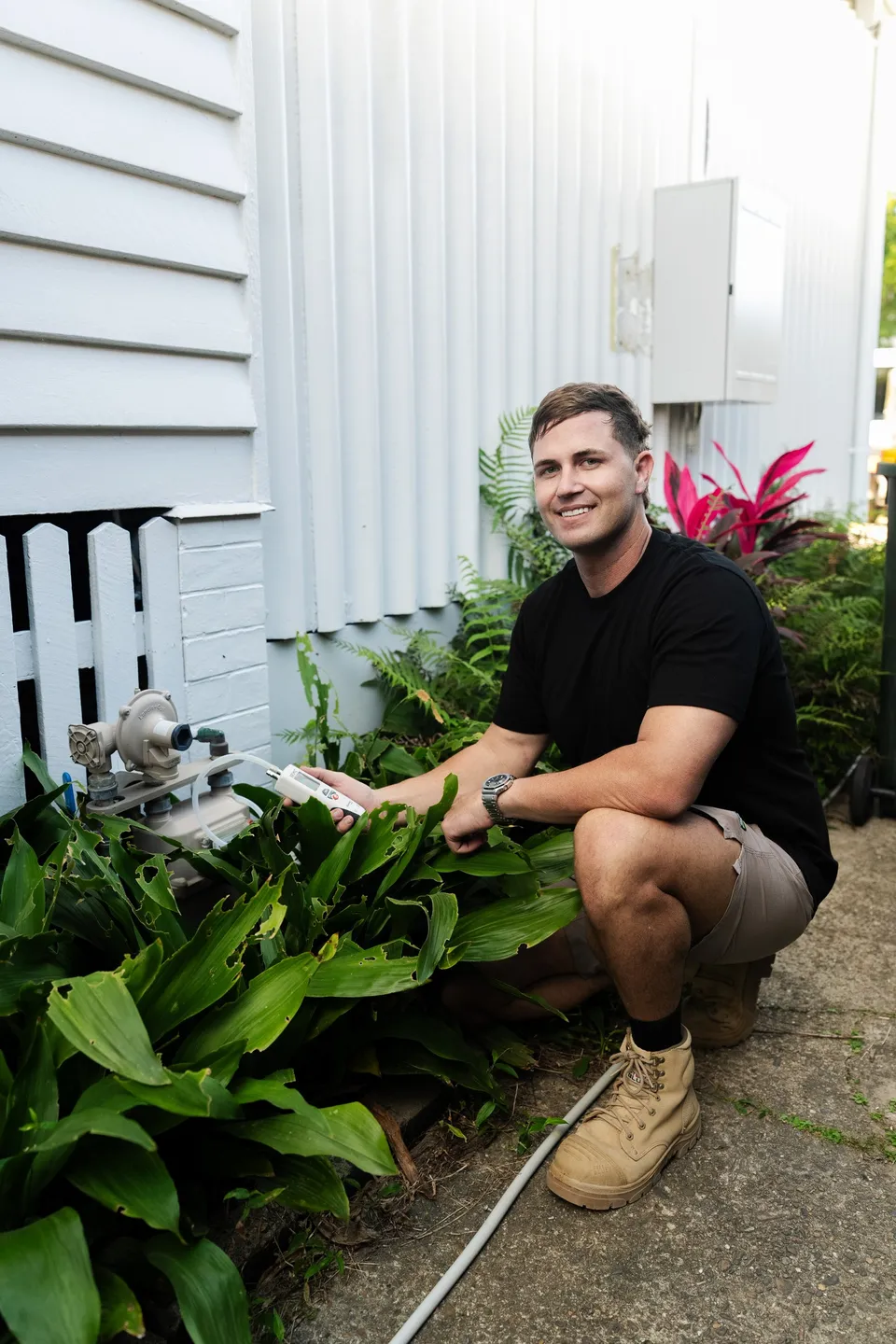
Do the Same Safety Steps Apply to Both
Yes, the steps match, because the fuels differ only in where a leak collects. Methane rises and thins in open air, while LPG sinks and settles into drains, pits and other low ground. Both are highly flammable, and neither is poisonous or toxic.
A room filled with fuel gas can displace its oxygen, causing nausea, dizziness and, at the extreme, suffocation. Queensland's advice for a smell of gas is identical either way. Turn the appliance off, open the doors and windows, and leave every switch alone.
Shut the gas off at the meter or the bottle if the smell stays, and call 000 if it lingers after that. Where the shut-off lives depends on the supply:
Piped gas
at the meter.
Bottle gas
at the cylinder valve.
A gully at the bottom of one of the suburb's steep western blocks holds sunk gas the same as any pit, so the shut-off matters on a hillside too.
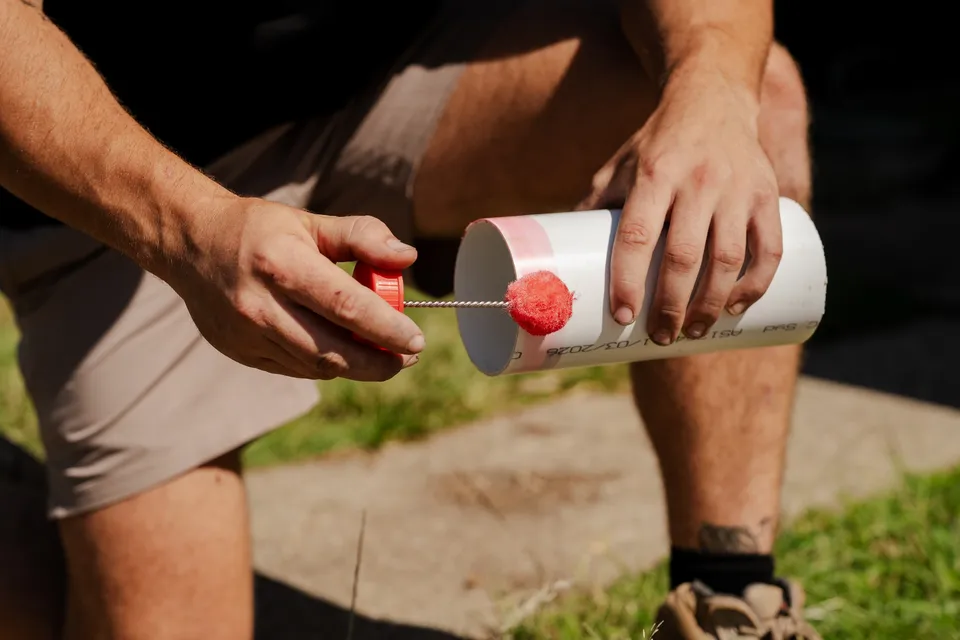
Can You Convert a Cooktop Between LPG and Natural Gas
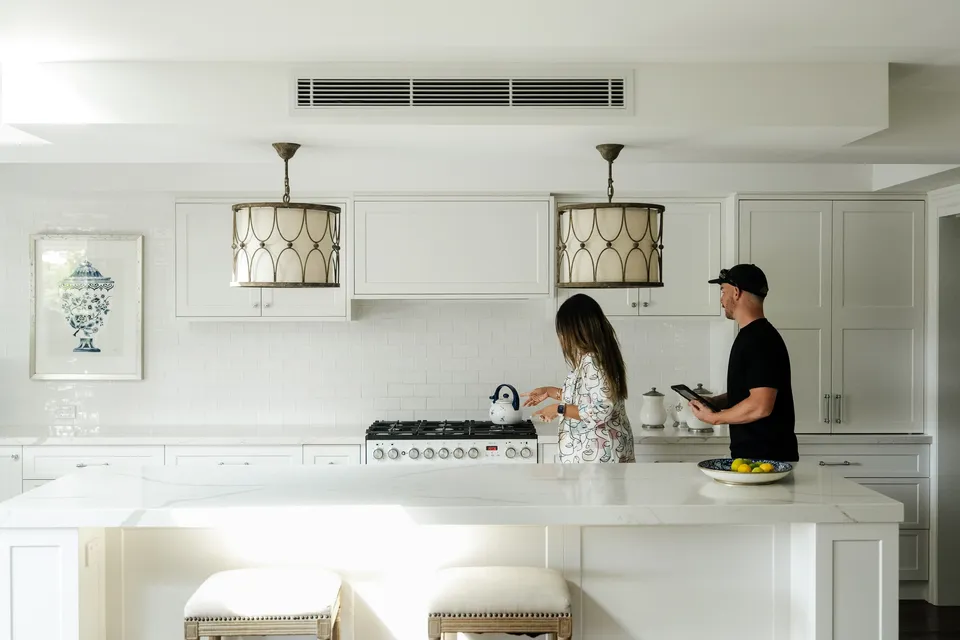
Yes, a cooktop can move between the fuels, but only through a proper conversion. Most gas appliances are built for one fuel, so shifting a cooktop between a piped home and a bottle home means new gas parts, not a straight reconnection.
Converting an appliance is gas work, so a licensed gasfitter does it, fits the maker's conversion parts for the model and tests the finished job. Those parts exist only where the maker supplies them for that model.
Gas work in Queensland covers installing, altering, repairing, servicing, testing and certifying a gas system and its pipework. The same licensed trade handles periodic servicing of cookers and barbecues, which Queensland advises alongside installation to the manufacturer's instructions.
One habit worth keeping: ask any gasfitter to show their gas work licence before work begins. No licence, no job.
Moving, Storing and Refilling an LPG Cylinder
A refill depends on the date stamp: a portable cylinder, usually 9 kg, needs a current ten-year stamp, and filling stations check every bottle that arrives. Beyond that, cylinder care is about where the bottle travels and sits:
In the car
secured, and never inside the passenger compartment.
In use and storage
somewhere with airflow, away from heat and anything that could ignite.
Spares
in a spot set aside and secured for them.
The valve
sealed shut whenever the bottle is idle, even an empty one.
A connected bottle is different. The LPG distributor maintains and tests connected cylinders, so a smell or visible damage at the house means a call to the distributor.
And the hard limit: never repair or remove a cylinder valve yourself. A rotten-egg smell around a bottle is a reason to step back and phone, not to reach for a spanner.
When to Call a Plumber About Gas at Home
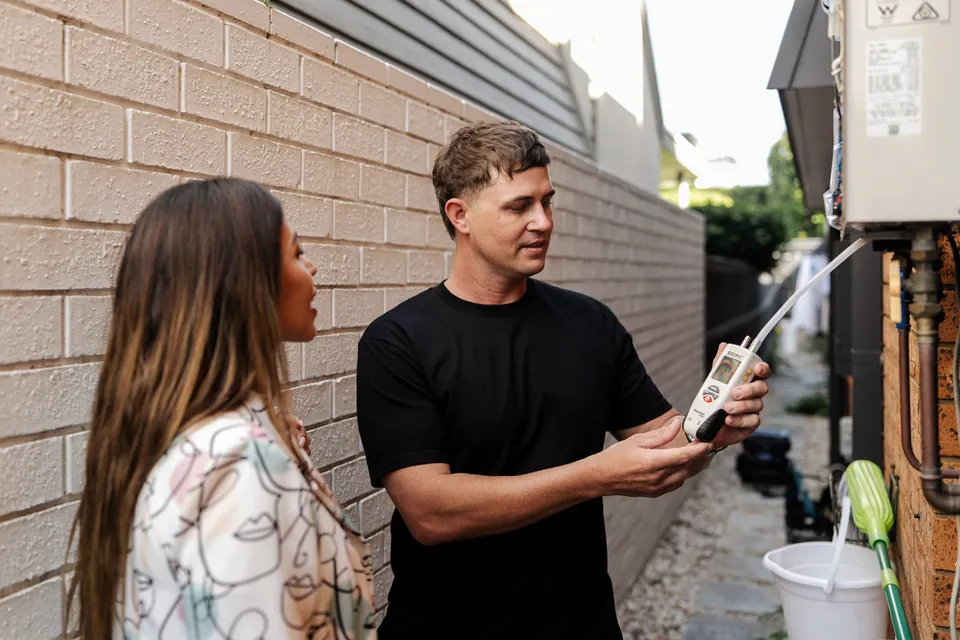
Ring a licensed gasfitter whenever the fuel side of a job changes: a cooktop moving between fuels, a new appliance going in, or a conversion question before you buy. The gas cooktop installation page walks through what a new cooktop involves, from the supply check to the connections and clearances.
A smell of gas outranks all of it. Follow the Queensland steps above, shut the gas off if the smell stays, and treat it as urgent.
Gas Questions From Eatons Hill Homes
Call (07) 3523 7121Is LPG more dangerous than natural gas?
No, and neither fuel is ranked over the other for safety. Both are highly flammable and neither is poisonous or toxic, and the Queensland steps for a smell of gas apply to each supply the same way. The one difference is where a leak collects: methane rises, while LPG sinks into low ground and drains.
Who can convert a gas appliance in Eatons Hill?
Only a licensed gasfitter, because a conversion between fuels counts as gas work in Queensland. That work covers installing, altering, repairing, servicing, testing and certifying a gas system, and the gasfitter uses the maker's conversion parts for the model. Ask to see the gas work licence before any Eatons Hill gas job starts.
How do I know if my Eatons Hill home runs on LPG or natural gas?
Bottles or a tank at the property mean LPG. A gas meter means piped gas, which can be methane or reticulated LPG, and the gas supplier confirms which one reaches your street. Supply varies house by house, so check your own meter or bottles.
Who looks after the LPG cylinder at my Eatons Hill home?
Where a cylinder is connected, the LPG distributor maintains and tests that bottle. A gas smell or a damaged cylinder is a reason to phone the distributor rather than us, and never repair or remove the cylinder valve yourself. Leave the valve alone and call.

Talk to Us About the GasWe'll call you back.
Phone (07) 3523 7121 for a licensed plumber in Eatons Hill. We work under QBCC No: 15024607, with flat-rate pricing, no hidden fees and same-day where we can.
To claim your $0 call-out fee, call (07) 3523 7121 today.