Toilet Repairs in Eatons Hill
Nine toilet faults out of ten trace back to one worn part inside the cistern, and most toilet repairs Eatons Hill bathrooms need are single-visit jobs for a licensed plumber. We renew valves, washers, seals and buttons across Eatons Hill and the neighbouring suburbs, from the 1970s houses near the hill to the newer acreage out west.
If we're late, $100 comes off your bill

- Licensed and InsuredEvery job done by a licensed plumber. QBCC No: 15024607
- Fixed Quote FirstFlat-rate pricing, agreed before any work starts
- Lifetime Labour WarrantyBacked by our Fix-It-or-It's-Free guarantee (T&Cs apply)
- $0 Call-Out FeesNo extra charge for nights, weekends or public holidays
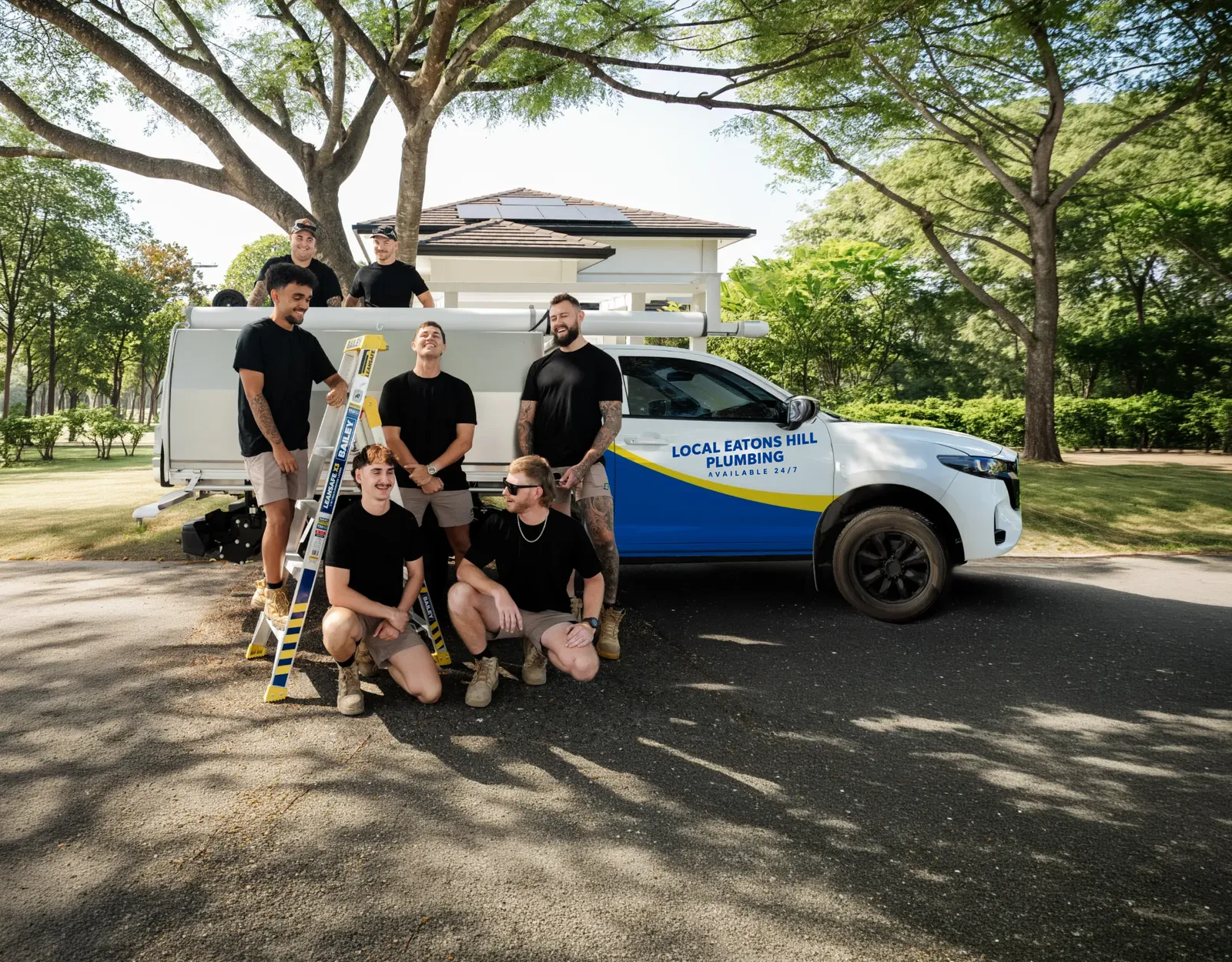
Our tap and toilet plumbing page covers both fixture families in the room. For drips and stiff handles, tap repairs is the page to read. Swapping a worn mixer for a new one is covered by tap replacement.
This page stays on the loo itself.
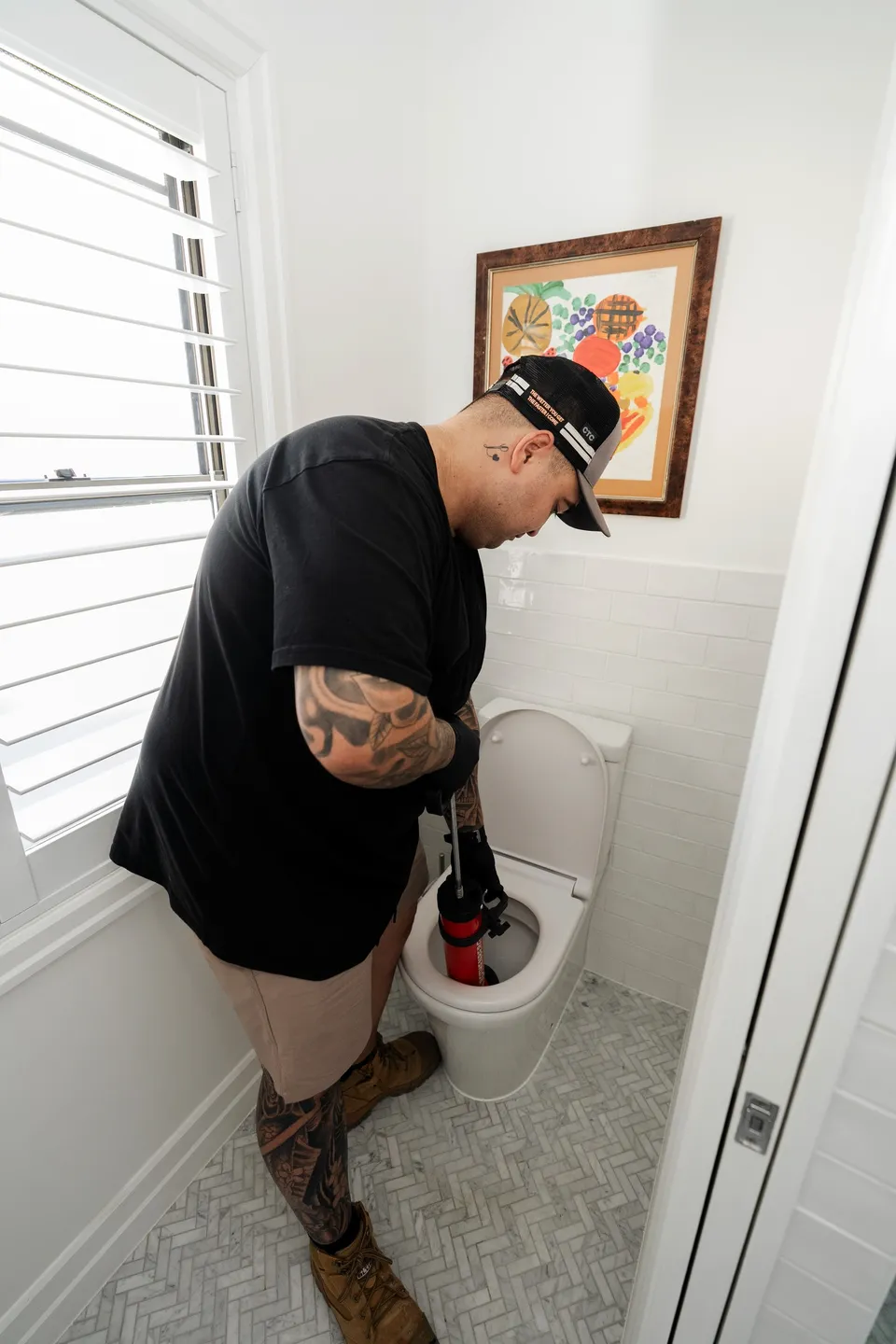
Running, Leaking and Slow-Filling Cisterns
Most cistern faults come down to three parts: the inlet valve that fails to shut off, the outlet valve that lets water run on, and perished seals that leak. Each one announces itself differently.
The inlet valve
brings the water level back after a flush and stops when the float rises to its set level. When this valve wears or clogs, the cistern fills at a trickle or simply never stops.
The outlet valve
seals the outlet between flushes and lifts when you press the button. A worn washer lets water dribble down the bowl, and the fill valve responds by refilling over and over.
The float
rides the water and tells the inlet valve when to close. Set too low, it leaves a weak, half-hearted flush because the cistern never fills right up.
The seals
around the moving parts harden with age and weep between flushes.
A feeble flush has other causes too: scale blocking the small outlets under the rim, or a button that jams partway through its travel. A cistern that won't fill at all usually traces back to the inlet valve, the float setting, or a partly open stop tap.
Where the cistern body itself is sound, a new inlet valve and outlet washer cure the bulk of running and leaking in one visit. Our toilet keeps running guide walks through the diagnosis in full.
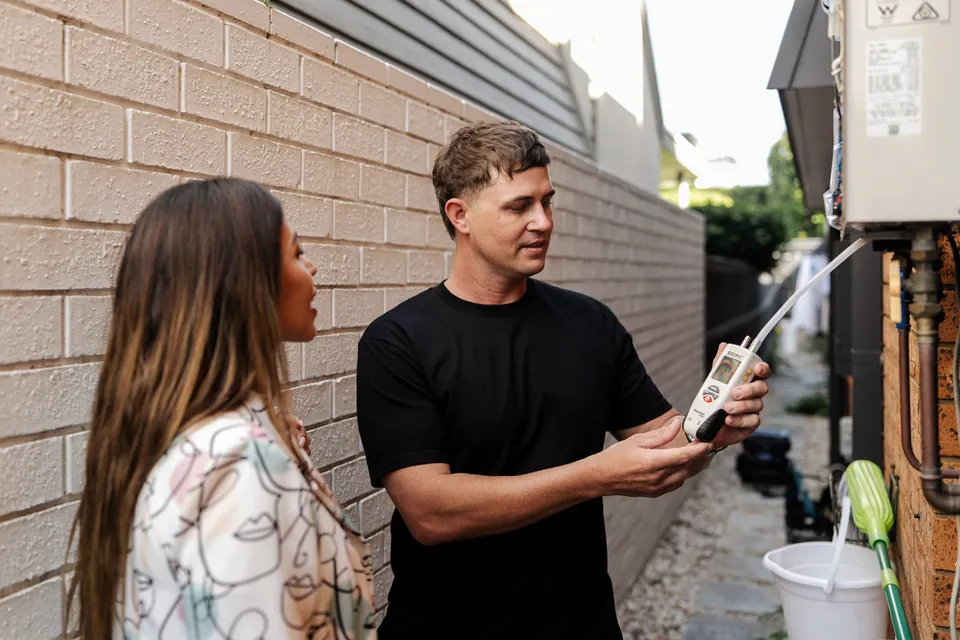
Leaks at the Base, Cistern and Supply Line
A leaking toilet shows itself at the base, around the cistern, or where the supply line joins, and each spot names its own part.
Floor water near the pan
the usual culprits are the pan connector, the seal at the drain joint, or a crack in the porcelain.
Dampness where cistern meets pan
that middle seal has let go.
Water at the supply end
the stop tap, sometimes called a mini stop, or its braided feed hose.
A sewer smell with no visible water
the rubbers around the drain joint may have perished or moved.
A silent leak into the bowl hides from a quick glance. Food colouring dropped into the cistern and left unflushed settles it: colour in the bowl confirms a hidden leak, and one flush afterwards rinses the ceramic clean.
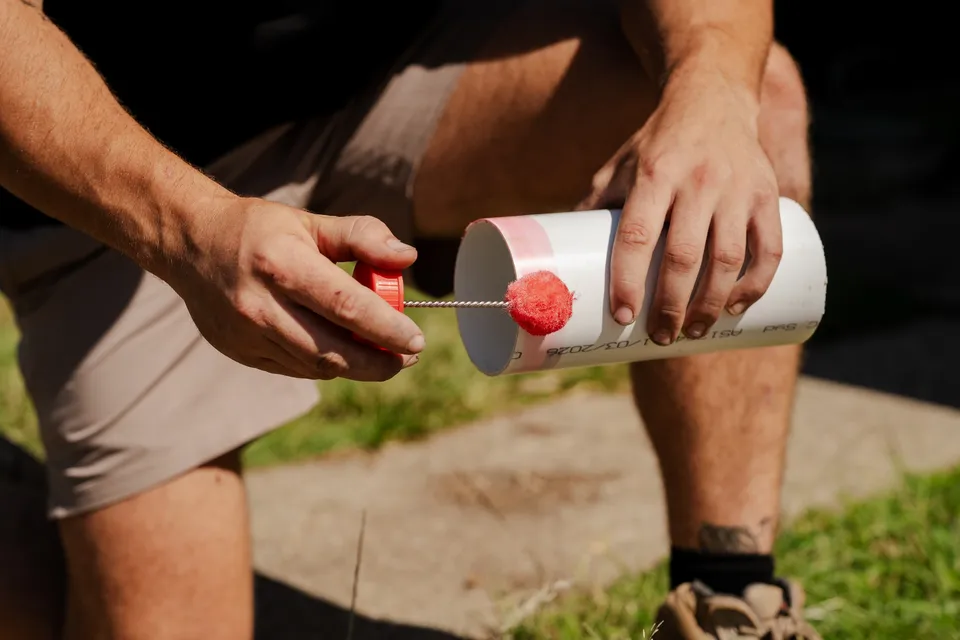
Who May Repair a Toilet in Queensland
Only three cistern parts sit outside licensing in Queensland: the washer on the drop valve, the washer on the float valve, plus the suction cup rubber. The QBCC lists those as unregulated work, though the result still needs to meet the plumbing standards.
Everything beyond those three counts as minor work a QBCC licensee carries out, and no permit or compliance form is needed. That covers valves, seals, buttons, pan connectors and supply joints.
For tenants, a broken or blocked toilet sits on Queensland's emergency repair list. Tenancy rules then require the owner or agent to arrange the fix promptly once the fault is reported.

When a Cracked Toilet Is Past Repair
The price turns on which part gave out, whether the porcelain itself has split, and how easily the cistern and stop tap can be reached. You get the fixed quote after we've seen the job, so nothing is guessed.
A crack in porcelain is where repairing stops making sense. Hairline fractures only spread, and no washer or seal will hold them, so the failed piece gets swapped rather than patched.
A loo needing repair after repair can also work out dearer over time than a new one, and we weigh that up job by job. Any new cistern or pan we supply carries WaterMark certification and registration with the Water Efficiency Labelling and Standards scheme, which the law requires before installation.
Family Homes and Working Cisterns
At the last census, 77.8 per cent of homes here had four bedrooms or more. The average household held 3.1 people, so most houses run several bathrooms and their cisterns do heavy daily duty.
The oldest dwellings near the hill go back to the 1970s, so plenty of those cisterns are on their second or third set of valves. Out west, past the sewered eastern estates, the big blocks run their own supply set-ups, so a constantly refilling cistern wastes water no meter is counting.
How a Toilet Repair Visit Runs
- 1

Describe the problem
Phone (07) 3523 7121 or fill in the form with what you're seeing in Eatons Hill. The more we know, the better we can prepare.
- 2

We isolate and test the cistern
We close the stop tap, empty the cistern and run a full flush cycle, so the faulty valve shows itself before any parts are quoted.
- 3
Agree on the price
A fixed quote comes before any work starts: flat-rate pricing, no hidden fees, and your go-ahead first.
- 4

Pay on completion
Card or EFTPOS on site when everything's working, or ask us about Fix now, pay later.
Plumbing job in Eatons Hill?
$0 call-out fees, available 24/7, and same-day where we can.
Toilet Repair Questions We Hear Often
Call (07) 3523 7121What are the most common faults inside a toilet cistern?
The fill valve, the flush valve and the seals. A worn fill valve leaves the cistern refilling non-stop or barely at all, a worn flush valve makes the loo run on, and tired seals let water escape where the parts move.
Why does my toilet keep running after a flush?
A worn outlet washer, most often. Water slips past it and down the bowl, so the fill valve keeps refilling the cistern to replace what's escaping. The other cause is a fill valve that never shuts off once the level is back up.
What causes a leak at the toilet base in Eatons Hill?
The floor drain joint and its seal come first, then a leaking supply connection or a cracked pan. Dampness where the cistern sits on the pan points to the middle seal between them.
Can I fix a leaking toilet myself in Eatons Hill?
Yes, but only three parts. The QBCC leaves the washers inside the drop valve and float valve, plus the suction cup rubber, as unregulated work for anyone with the skill, provided the result meets the standards. All other toilet work needs a licence.
Can a cracked cistern or pan be repaired?
No. Once porcelain cracks, there's nothing for a repair to grip, and the cistern or pan has to be swapped for a new one. A licensed plumber can only fit a replacement carrying WaterMark certification and registration with the Water Efficiency Labelling and Standards scheme.

Ring Us About the LooWe'll call you back.
Phone (07) 3523 7121 for a licensed plumber in Eatons Hill. We work under QBCC No: 15024607, with flat-rate pricing, no hidden fees and same-day where we can.
To claim your $0 call-out fee, call (07) 3523 7121 today.